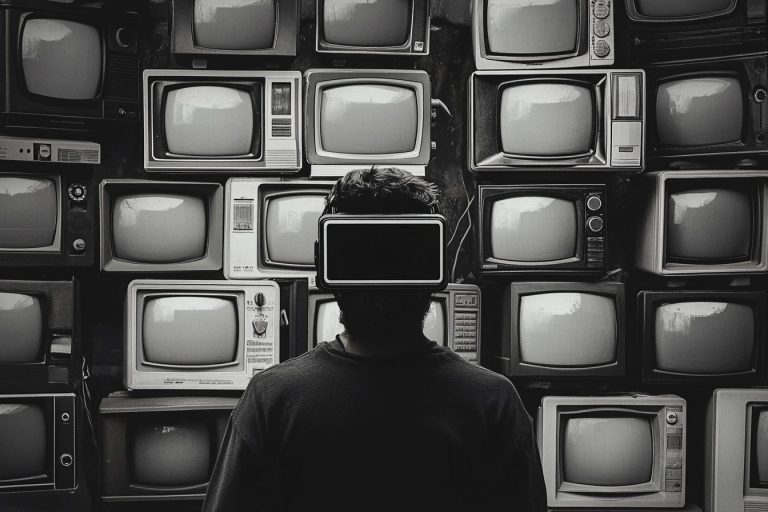

Last Tuesday at drinks with my coworkers, Sarah looked at me like I’d grown a second head when I told her I had no idea what celebrity drama everyone was talking about. “How do you not know about this?” she said, already pulling out her phone to show me screenshots. “It’s literally everywhere right now.” I just shrugged and told her something I’ve been saying a lot lately – I’m practicing selective digital ignorance and honestly? I don’t care about most of this stuff anymore. She stared at me for a second, then said, “God, I wish I could do that.”
Trust me, I get it. Two years ago I would’ve been the first person sending those screenshots around, adding my own hot takes and making sure everyone knew I was up to date on whatever online catastrophe was happening. I was permanently plugged in, notifications blazing, never missing a single thing because missing out felt like social death.
But here’s the thing – and I know this because I literally helped build some of these systems – all that urgency is manufactured. Back when I was working on engagement features for various platforms (you know, those little psychological tricks that keep you checking your phone every thirty seconds), success was measured entirely by how much attention we could capture and hold. We called it “engagement optimization” but really it was just figuring out how to make people feel like they’d die if they didn’t check their phone right now.
The moment I realized how completely screwed up this all was happened at my nephew’s birthday party last summer. I’m sitting there watching him blow out candles, but I’m also scrolling through Twitter because there was some minor political scandal happening that honestly nobody would remember a week later. I caught my reflection in the sliding glass door – hunched over my phone, physically present but mentally somewhere else entirely during this sweet family moment. Something just clicked. I put the phone in my purse and didn’t look at it for the rest of the party.
And you know what? The world didn’t end. That political scandal resolved itself without my input (shocking, I know). The party was actually fun when I was paying attention to it instead of simultaneously trying to consume every piece of breaking news on the internet.
That weekend I started what I’m now calling my “selective ignorance experiment.” I didn’t go completely offline – I still need to function in society and do my job. But I stopped treating every piece of information like it was personally urgent to me. I deleted news apps from my phone, turned off most notifications, and limited myself to maybe thirty minutes of actual news consumption in the morning. If something was truly important, someone would text me directly.
The withdrawal was genuinely awful. I’m talking phantom phone vibrations, constant anxiety about what I was missing, reaching for apps that weren’t there anymore about fifty times a day. It was embarrassing how addicted I’d become to that constant stream of information. Worse was realizing how much of my identity was built around always knowing the latest thing – suddenly I felt boring and out of touch in conversations because I couldn’t reference whatever outrage was trending that day.
But after a few weeks, something interesting started happening. My brain felt… quieter? Like, I could actually focus on reading a book without my mind jumping to whatever drama was unfolding online. Work projects that used to take me forever because I kept getting distracted suddenly became manageable. Conversations with Tyler got deeper because I wasn’t half-listening while thinking about some Twitter argument I wanted to join.
The emotional change was even weirder. I hadn’t realized how angry I was all the time until the anger started fading. Social media and news are basically designed to make you constantly outraged – that’s what keeps you engaged – but living in that state of perpetual fury is exhausting. Without the daily dose of things to be mad about, I started feeling… calmer? It sounds simple but it was actually profound.
Look, I’m not saying we should all become hermits or ignore everything happening in the world. There’s obviously a balance here. My rule now is pretty simple – I ask myself if knowing this information will actually help me make better decisions in my life or improve my day-to-day existence. Natural disaster in my area? Yeah, that’s important. Celebrity breakup drama? Probably not essential to my wellbeing. New regulations affecting my industry? Worth knowing. Random Twitter beef between people I’ll never meet? I’ll pass.
This isn’t just about mental health (though that’s a big part of it). It’s about taking back control from algorithms that are literally designed to hijack your attention. I’ve seen how these systems work from the inside – they optimize for engagement, which really means they optimize for anger, fear, and tribal outrage. They don’t care about truth, importance, or your sanity. They care about keeping your eyeballs glued to the screen so they can serve you ads.
At first, friends were kind of annoyed by my new boundaries. They’d start conversations with “Did you see what happened with…” and I’d have to say no, which made them feel like they had to catch me up on context for whatever they wanted to discuss. But after a while, something cool happened – our conversations got better. Without the constant background noise of whatever crisis was dominating the news cycle, we started talking about actual stuff happening in our lives, ideas we were thinking about, plans we wanted to make.
A few of my friends have actually started setting their own information boundaries after seeing how much more present I’ve become. Sarah from that first story now has a “no news after 7 PM” rule and says it’s changed her sleep completely. My coworker Mike deleted Twitter from his phone and claims he’s gotten more work done in the past month than he did in the previous three months combined.

The biggest change though has been with my family. My mom pointed out recently that I seem “actually here” when we’re hanging out, which was both nice to hear and kind of devastating because it implied I wasn’t before. She was right though. I’d been so busy keeping up with everything happening everywhere that I was missing things happening right in front of me.
I’m not perfect at this. I still get sucked into news spirals sometimes, especially when something genuinely big is happening. Social media still has this weird magnetic pull – maybe it’s the promise of connection or entertainment, I don’t know. But now it feels like a choice rather than a compulsion. I’m not constantly anxious about missing something important because I’ve realized most of what feels urgent online isn’t actually important at all.
The other day, some friends were discussing a controversy I knew nothing about. Instead of pretending I knew what they were talking about or making excuses, I just said, “I missed that one completely. Fill me in – is this something I actually need to know about?” After they explained it, we all agreed it was basically meaningless drama that would be forgotten in a week. “You’re not missing anything,” one of them said. “That’s kind of the point,” I replied. “We’re all so busy not missing meaningless stuff that we’re missing our actual lives.”
Americans spend over two hours a day scrolling through social media and news sites. Think about what you could do with even half that time if you redirected it toward something that actually mattered to you – learning a skill, having real conversations, reading books that make you think instead of just react, I don’t know, maybe just sitting quietly without needing to consume information constantly.
The joy of missing out isn’t about being ignorant – it’s about being intentional. It’s recognizing that in an attention economy, your focus is literally being bought and sold, and deciding you want some say in where it goes. It’s understanding that most breaking news isn’t actually breaking anything except your peace of mind, and most viral content isn’t adding anything meaningful to your life.
I’m still working in social media, still dealing with technology every day, still living in the modern world. I haven’t retreated to some cabin in the woods to weave baskets (though honestly, that sounds kind of nice sometimes). I’ve just gotten pickier about what deserves space in my brain. And that pickiness has made room for things that actually matter – deeper relationships, focused work, genuine rest, present moments with people I care about.
So next time someone looks shocked that you don’t know about whatever online drama is consuming everyone’s attention, try saying, “I’m being selectively ignorant these days.” You might find they’ve been waiting for permission to do exactly the same thing.

Julie’s a social media manager in Austin who can’t scroll without analyzing engagement metrics. She writes with dark humor about influencer culture, algorithm fatigue, and the bizarre realities of working in the very industry she loves to hate. Her life is content—and that’s the problem.
0 Comments