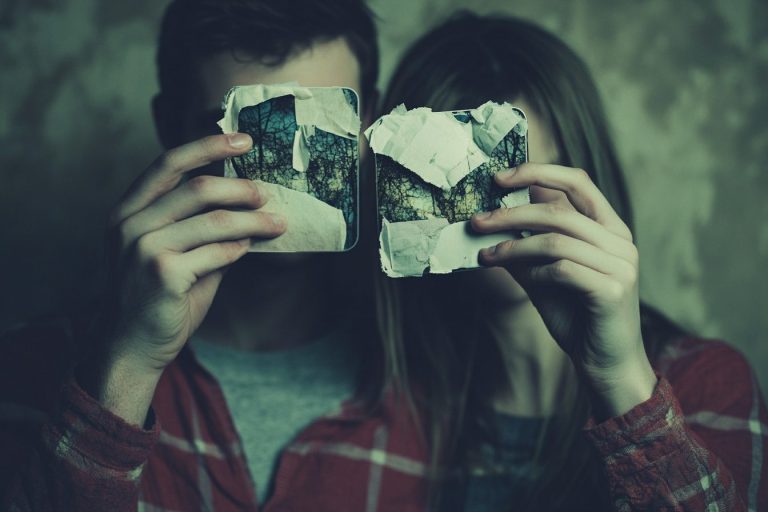

You know what nobody warns you about when you’re thirteen and getting your first smartphone? That someday it’ll become a weapon designed specifically to emotionally destroy you. I found this out the hard way when Marcus and I broke up eight months ago, and suddenly every algorithm on my phone decided to become a therapist I never asked for.
The actual breakup was whatever – we’d been growing apart for months, both buried in our laptops, communicating more through Slack than actual conversation. Classic millennial relationship death, except we’re technically Gen Z so it’s even more pathetic somehow. Moving his stuff out took like three hours. Untangling our digital lives? Still happening, and I’m starting to think it might be permanent.
People always talk about relationship milestones – first date, first kiss, moving in together. But nobody mentions the digital milestones that actually matter now. Like when you give someone your Netflix password (bigger commitment than keys, honestly), or when Instagram starts auto-suggesting you tag them in everything, or when your phones sync up and suddenly you’re getting each other’s calendar notifications. That’s when you know you’re screwed.
Marcus and I had been together two and a half years, which in digital time is like fifty years of accumulated data. Our entire relationship existed in screenshots and shared playlists and cloud storage. Every streaming service knew us as a unit. We had joint everything – Spotify family plan, shared photo albums, that cursed Netflix account that still haunts me with British baking shows I’ve never watched but apparently Marcus loved.
The first betrayal came exactly four days after he moved out. I’m sitting in my apartment, finally feeling like maybe I can breathe again, and my phone lights up with this cheery notification: “Remember this day with Marcus!” Thanks, Google Photos. Really needed to see that picture of us at Coney Island looking disgustingly happy while I’m eating cereal for dinner and questioning all my life choices.
These weren’t just photos, by the way. They were emotional landmines with timestamps. Every picture was tagged with location data and facial recognition and all this metadata that made them feel more real somehow. Like, I could see exactly where we were standing, what time it was, even what the weather was like. Technology really said “let’s make heartbreak as vivid and inescapable as possible.”
The streaming services were honestly the worst part though. Netflix kept insisting I finish shows I’d never started, because apparently Marcus had been watching them on my profile when I wasn’t around. So now my recommendations were this weird hybrid of my actual taste and his secret TV habits. Did you know my ex-boyfriend was really into Nordic noir? Because Netflix sure wanted me to know.
Spotify was even worse – and I say this as someone who literally lives in music. Our algorithms had merged into this unholy chimera of indie folk (him) and hyperpop (me) with a random true crime podcast thrown in because apparently we’re basic. Even weeks after the breakup, my Discover Weekly was still trying to introduce me to artists that “you and Marcus might like.” No, Spotify. It’s just me now. Figure it out.
Changing passwords was like the world’s most depressing admin task. Each one felt like deleting a tiny piece of our relationship, but also like… finally taking my life back? Very mixed emotions about changing the Hulu password, let me tell you. And some services made it intentionally difficult, like they were designed by people who’d never experienced human heartbreak. “Are you sure you want to remove Marcus from your family plan?” Yes, iPhone, I’m sure. That’s literally why I’m here.
Then there was the social media minefield. Instagram kept suggesting I tag Marcus in posts, completely oblivious to the fact that I was now posting sad girl selfies with captions about “new chapters” (cringe, but necessary for the algorithm). Facebook’s “People You May Know” became this cruel game where it would suggest his college friends, his coworkers, even his dentist. Why does Facebook know his dentist? Why do I now know his dentist exists?
I did the thing you’re not supposed to do – the deep scroll through his Instagram at 2 AM on a Tuesday. Traced our entire relationship backwards through his feed, watching myself disappear from his photos in reverse chronological order. From completely absent in recent posts to appearing occasionally to the early honeymoon phase where we looked genuinely happy. It was like watching a relationship die in reverse, which is somehow worse than watching it die in real time.
The really twisted part? I literally helped build some of these systems. Not the big platforms, but I’ve done UX work for social media companies. I know exactly why that scroll is infinite, why those suggestions feel so personal, why everything is designed to keep you engaged even when engagement is literally making you miserable. I was being destroyed by design principles I’ve used in my own work. Very meta, very awful.
Even the ads turned against me. For weeks I kept getting targeted marketing for couple’s stuff – vacation rentals “perfect for two,” furniture sets, even fucking engagement rings. The algorithm still thought Marcus and I were a unit planning a future together. Meanwhile I’m sitting in my apartment eating bodega sandwiches and wondering if I’ll ever want to share Netflix with another human again.

The shared photo storage was its own kind of hell. Three years of pictures automatically backed up to the cloud, organized by AI into helpful folders like “Marcus and Rachel” and “Best Memories.” The AI had basically created a highlight reel of our relationship without asking, and now I had to decide whether to delete years of my life or keep digital evidence of happiness that felt fake in retrospect.
Mutual friends became this weird social media chess game. Could I like a post that Marcus might see? What if he was tagged in something by someone we both knew? The old rules of breakup etiquette didn’t account for the fact that you might accidentally interact with your ex through the algorithm without meaning to. Instagram really said “let’s make moving on as complicated as possible.”
The shared subscriptions were their own nightmare – Netflix, Spotify, Amazon Prime, even our Seamless account had become intertwined. Each service had different rules for separation. Some made it easy, others required phone calls with customer service reps who seemed way too emotionally invested in our relationship status. “I’m sorry to hear about your breakup” – thanks, Verizon customer service. Really needed that sympathy while trying to split our phone plan.
But honestly? The playlists were what really got to me. We’d made so many together over two years – road trip mixes, cooking soundtracks, rainy day vibes, workout motivation. They weren’t just songs, they were like little time capsules of different phases of our relationship. And Marcus kept updating them after we broke up, which felt like finding notes he was leaving for me to discover.
I’d catch myself checking what he’d added to our “Sunday Morning” playlist like I was looking for coded messages about his emotional state. Did those three sad indie songs mean he missed me? Or was that upbeat track proof he’d moved on? I was literally analyzing my ex-boyfriend’s mental health through Spotify activity, which might be the most Gen Z thing I’ve ever admitted to.
The smart speakers were the final insult. Two months post-breakup, I asked Alexa to play dinner music and she goes “Playing ‘Marcus and Rachel Cooking Classics.'” I literally lunged for the off switch like it was going to explode. These devices remember everything and have no emotional intelligence whatsoever.
Six months later, I thought I’d successfully digitally divorced myself from Marcus. Changed passwords, organized photos, created new streaming profiles, updated social media. I was even rebuilding my dating app presence with carefully chosen photos that screamed “I’m definitely over my ex and not at all dead inside.”
Then my Apple Watch suggested I send Marcus a reminder about our anniversary. Our anniversary that was no longer happening. Because we were no longer together. But my watch didn’t get the memo because I’d never thought to update my calendar AI about my relationship status. Modern problems requiring modern solutions I guess.
Here’s what I’ve learned: breaking up used to mean changing your number and avoiding certain bars. Now it means performing digital surgery on your entire life while algorithms actively fight against you. Every platform wants to keep you connected because connection equals engagement equals money. Your heartbreak is bad for business.
The tech companies should honestly offer breakup support services at this point. Like a “fresh start” mode that helps you untangle shared digital lives without having to manually hunt down every connected account and shared playlist. Or at least a “please stop showing me this person” button that actually works.
Instead we’re all just figuring it out as we go, trying to outsmart algorithms that know us better than we know ourselves. It’s like trying to delete yourself from the internet while still living on the internet, which is impossible when your entire career and social life exists online.
I’ve mostly made peace with the digital ghosts of my relationship with Marcus. The algorithm still occasionally serves me a memory I don’t want, and I still get ads for engagement rings sometimes (which is honestly hilarious at this point). But I’ve stopped analyzing his Spotify activity and started building new digital habits that are just mine.
The thing is, this is only going to get worse. We’re the generation that’s fully documented every relationship through social media since high school. When we’re thirty, we’ll have decades of digital relationship history stored in clouds and algorithms. The internet never forgets, even when forgetting would be the kindest thing.
So maybe think twice before making that shared Apple Music playlist or merging your Netflix viewing history. Future heartbroken you will thank you for maintaining some digital boundaries, even when you’re in love and can’t imagine ever wanting to untangle your data. Trust me on this one – your phone remembers everything, and it will use that information against you at the worst possible moment.

Rachel’s a Brooklyn designer who grew up online and now questions everything about it. She writes with dry wit about social media burnout, digital identity, and the weirdness of being dependent on platforms she doesn’t trust. She’s fluent in irony and Adobe Creative Suite.
0 Comments