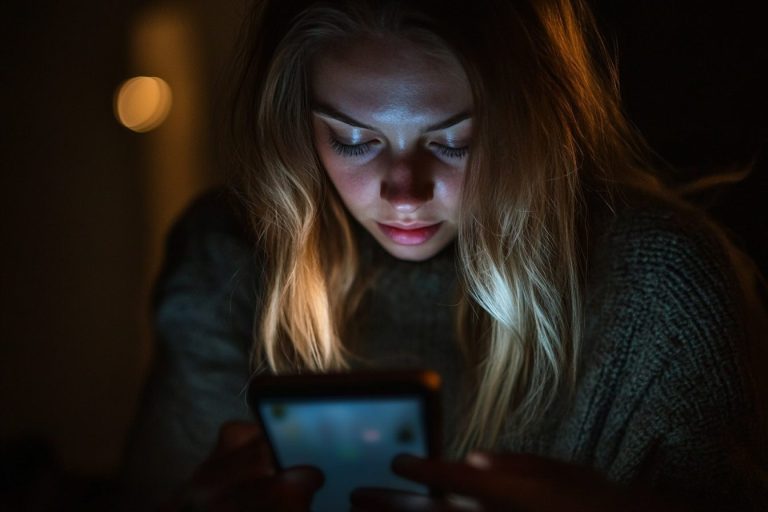

Look, I know how this sounds coming from someone who literally codes user engagement features for a living, but I found myself at 1:47 AM last Friday reading about something called a “Digital Sabbath.” Yeah, I realize the irony – discovering enlightenment while doom-scrolling at nearly 2 AM. The article claimed that going 72 hours without any screens would somehow reset your brain, and honestly, my brain felt like it needed a factory reset after years of building the very apps that were keeping me awake.
Sarah was already asleep next to me, and I’m sitting there thinking about how I spend my days creating features designed to keep people glued to their phones, then come home and get trapped by the same psychological tricks I helped build. It felt like cosmic justice to put myself through a weekend without technology. So I decided right there – no devices from 6 PM Friday to 6 PM Monday. No phones, laptops, tablets, Apple Watch, TV, nothing. Just me and whatever people did before we all became cyborgs.
I spent Thursday preparing like I was about to survive in the wilderness. Called my mom to give her our landline number (yes, we still have one – don’t ask), warned my coworkers I’d be unreachable, and started planning offline activities. The whole thing felt ridiculous, like preparing to time travel back to 1995. But I was weirdly excited about it.
Friday evening, I made this big ceremonial thing out of powering everything down. Posted about it on social media first – because apparently I needed to announce my digital detox digitally, which should’ve been my first clue about how deep this addiction runs. Then I locked all my devices in my desk drawer and wrapped the key in a note that said “Remember why you’re doing this.” Hid the whole thing in a book on my shelf. Sarah watched this performance and just shook her head before going back to her phone.
The first hour wasn’t terrible. I cooked dinner without looking up a recipe, just winging it with some chicken and vegetables. The chicken was definitely undercooked, but I counted that as an acceptable casualty of analog living. What really got to me was how often my hand automatically reached for where my phone usually sits. Like phantom limb syndrome, but for my device. My brain kept generating these urgent “needs” – check the weather, see what time it is, send that work email I just remembered.
By hour three, I was having full phantom vibrations. You know that feeling when you think your phone is buzzing but it’s not even there? That, but constantly. I started noticing how many daily tasks I’d outsourced to screens. Wanted to know if that actor from Seinfeld was still alive, needed to check tomorrow’s weather, remembered something I should Google. Every few minutes my brain would hit another digital roadblock.
That night was rough. Turns out I’d been using mindless phone scrolling as a sleep aid, like digital white noise to quiet my thoughts. Without it, my mind just… kept going. Work stress, random anxieties, that stupid question about the Seinfeld actor. Sarah told me later I kept mumbling “just one quick check” in my sleep, which is probably the most pathetic thing I’ve ever done unconsciously.
Saturday morning felt weirdly timeless. Without constant timestamps from my phone, hours seemed to stretch and compress unpredictably. I made coffee and sat on our porch, actually hearing birds I’d never noticed before. For about ten minutes, I felt that zen enlightenment all the digital detox articles promise. Then our neighbor started using his leaf blower and I couldn’t even drown it out with podcasts. So much for transcendence.
The afternoon brought real withdrawal symptoms. Clammy hands, restlessness, inability to focus on anything for more than five minutes. I reorganized our spice rack – twice. Read the first chapter of four different books without retaining anything. At one point I caught myself just staring at the drawer containing my devices, mentally negotiating what would constitute a real emergency worthy of breaking my fast.
Saturday dinner with friends was surreal. I felt like a time traveler – completely out of the loop on news, viral videos, anything that had happened that day. The conversation kept referencing things I hadn’t seen, creating this weird combination of feeling superior and completely excluded. I was simultaneously experiencing FOMO and what I thought might be digital enlightenment.
I probably explained my detox experiment seventeen times that night, and each time I sounded more like those people who won’t shut up about CrossFit or intermittent fasting. You know the type – I was becoming that guy.
Sunday morning brought the real crisis. Wanted to hit the farmers market but couldn’t figure out how to get there without Google Maps. The drive felt eerily quiet without Spotify. Found this amazing artisanal cheese vendor but couldn’t take a picture to remember it later. Each missing piece of digital functionality created this low-level anxiety I hadn’t expected.
What really messed with my head was realizing how much I experience life specifically to share it. When did living become about creating content? Probably around the time I started designing features to encourage exactly this behavior. The whole thing felt like karmic payback.

But Sunday afternoon surprised me. Without the option to check work email, I actually fixed that bathroom cabinet door I’d been avoiding for months. Played board games with our neighbor’s kid without feeling guilty about missed notifications. Read forty pages of an actual book – didn’t even check its Goodreads rating once. For a few hours, I felt something approaching calm.
The breaking point came Sunday night when Sarah mentioned some family drama happening in our group chat. I literally had to sit on my hands to keep from grabbing my phone. Spent Monday morning calculating exactly how many hours remained in my experiment, which probably defeated the purpose.
Monday at 6 PM was embarrassing. I wish I could tell you I gracefully transitioned back to digital life, but honestly, it was pathetic. Fumbled with the drawer lock, hands actually shaking as I powered up my phone. The notification avalanche hit immediately – 147 emails, 58 text messages, 29 missed calls. Instead of feeling overwhelmed, I felt this rush of relief and excitement that was frankly disturbing.
What followed was three hours of digital binging that would make a Netflix algorithm proud. Responded to messages from three days ago while simultaneously scrolling social media feeds. Consumed news articles without any regard for importance or relevance. My posture collapsed, breathing got shallow, eyes started burning from not blinking enough. When Sarah found me at 9 PM hunched over my laptop while scrolling my phone, she asked “How was your detox?” in this gentle, mocking tone that made me want to disappear.
This is what all those digital detox articles don’t tell you about – the shameful reunion phase. The part where you realize that 72 hours of abstinence didn’t rewire decades of conditioning. All those noble intentions about maintaining balance just evaporate the second you reconnect.
It’s been two weeks since my experiment, and I wish I could report lasting changes. But I’m still checking my phone within minutes of waking up. Still get that dopamine hit from notifications. Still interrupt focused work for messages that definitely don’t need immediate responses. The habits haven’t changed at all.
What did change is my awareness of how ridiculous this all is. I notice the irritation when I can’t find my phone. I catch myself checking it during conversations for no actual reason. I see how often I reach for distraction when I should be thinking through a problem.
Does awareness fix anything? Not really, but it’s something. Maybe the real value of a digital detox isn’t the period of abstinence – it’s the mirror it holds up to your regular behavior.
The bigger challenge isn’t surviving three days without gadgets. It’s figuring out how to use technology in ways that actually serve us instead of the other way around. Right now my phone is face up next to my keyboard as I write this, and I’ve already glanced at it twice during this paragraph.
I’m still trying to break these habits, but at least now I’m conscious of them, which feels like progress of sorts. Maybe I’ll try again next weekend – just for 24 hours this time. Or maybe just during dinner.
Baby steps toward digital sanity, from someone who spent years helping create the problem. If you’re reading this on your phone at 1 AM, maybe consider your own experiment. Just be prepared for how pathetic the return journey might look.
The technology isn’t the real problem – we are.

Keith’s a Seattle software engineer who loves tech but is also completely exhausted by it. He writes about digital overload, phone addiction, and the absurdity of modern tech culture with self-aware sarcasm. Equal parts insider and cynic, he’s proof that knowing how the algorithms work doesn’t make you immune to them.
0 Comments